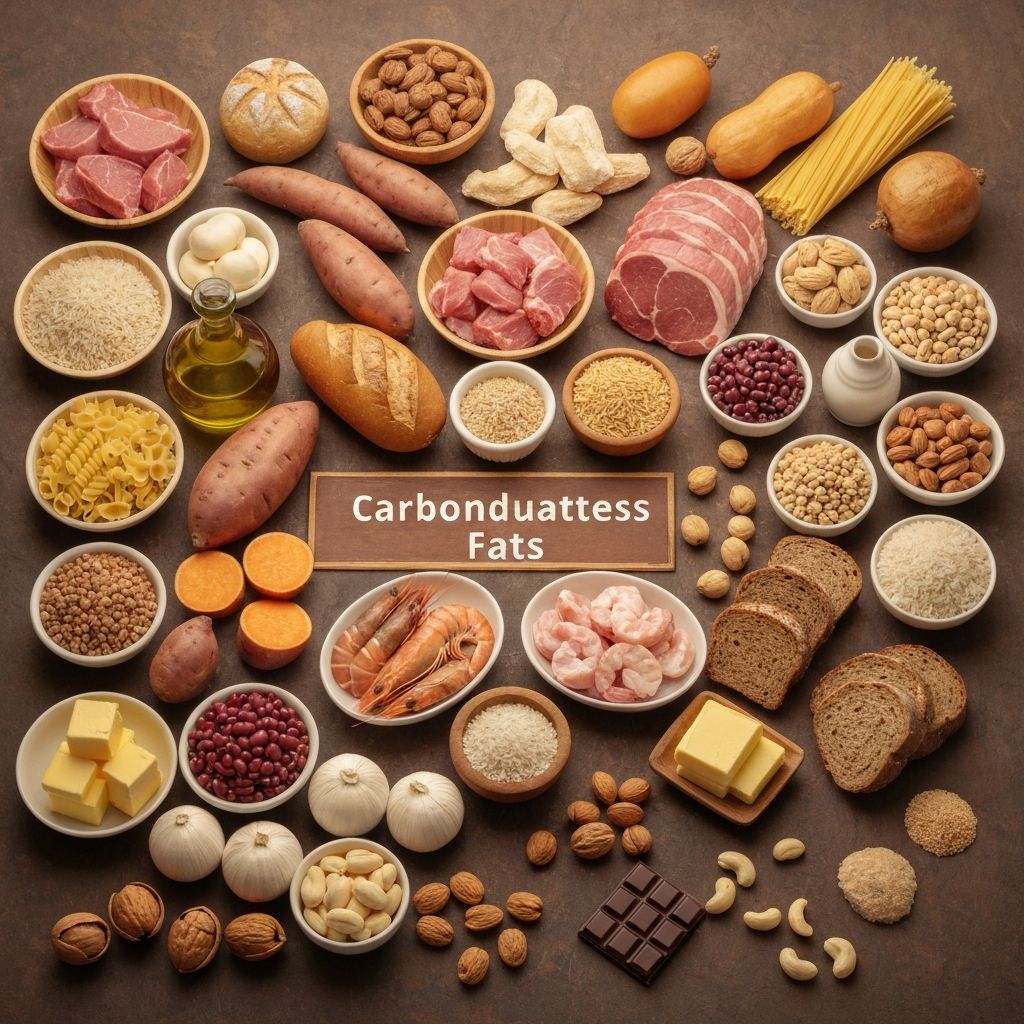
Proteins
Proteins are amino acid chains that serve crucial structural and functional roles. They are involved in building and maintaining muscle tissue, producing enzymes, creating hormones, supporting immune function, and performing countless other bodily processes.
Protein sources include animal-based foods such as meat, fish, eggs, and dairy, as well as plant-based sources such as legumes, nuts, seeds, and certain grains. Different sources provide varying nutrient profiles.
Carbohydrates
Carbohydrates are a primary energy source for the body and nervous system. They are broken down into glucose, which cells use for energy. Carbohydrates also support fiber intake, which aids digestive health and supports healthy blood sugar regulation.
Carbohydrate sources vary widely, including whole grains, fruits, vegetables, legumes, and dairy. The nutrient density differs significantly among sources—whole grains and vegetables offer more nutrients per calorie than refined options.
Fats
Fats are essential for hormone production, cell membrane integrity, absorption of fat-soluble vitamins, brain function, and many other physiological processes. Despite historical dietary discourse, fat is not inherently unhealthy—the type and quantity matter.
Fat sources include oils, nuts, seeds, avocados, fatty fish, and animal products. Different fat sources contain different fatty acid profiles, each contributing differently to health outcomes.
 Hespral