Food Literacy and Informed Choices

Developing skills to understand nutrition information and make thoughtful dietary decisions.

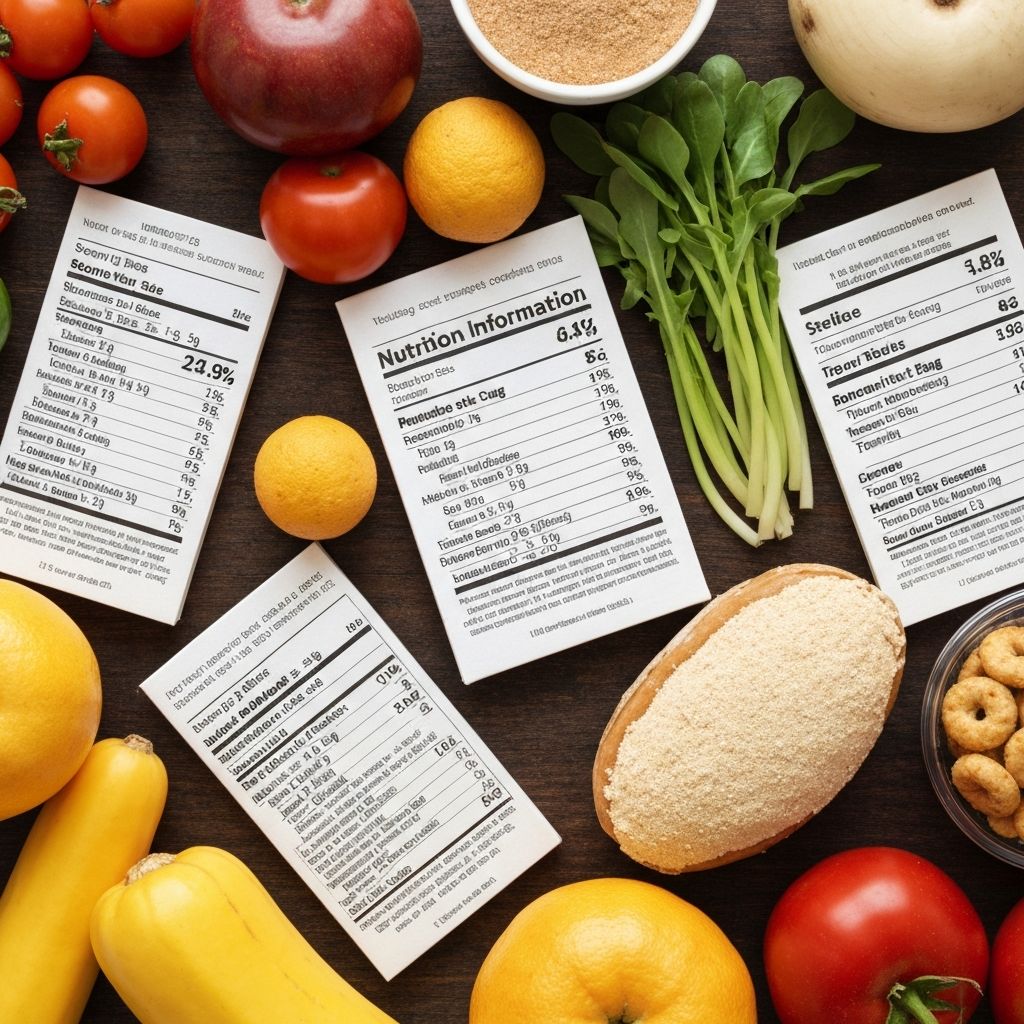
Nutritional labels and food packaging in arranged composition

What Is Food Literacy?

Food literacy encompasses the knowledge and skills to understand nutrition, recognize how different foods contribute to health, interpret nutritional information, and make informed dietary decisions aligned with personal goals and circumstances.

Food literacy is not about following specific diets or rules. Rather, it's about developing understanding that supports autonomous decision-making about food and nutrition.

Understanding Nutritional Labels

Nutritional labels provide standardized information about food composition. Understanding labels helps make informed food choices:

Serving Size

Labels list information per serving, not necessarily per container. Understanding serving size is essential to interpreting nutritional information accurately.

Macronutrients

Labels show amounts of carbohydrates, proteins, and fats. Understanding macronutrient composition helps recognize how foods contribute to daily intake.

Micronutrients

Labels list vitamins and minerals. Understanding micronutrient content helps recognize foods as sources of specific nutrients.

Ingredients Lists

Ingredients are listed in descending order by weight. Reading ingredients helps identify what components foods contain and recognize added ingredients.

Daily Value Percentages

These percentages help assess whether foods are high or low in specific nutrients relative to daily recommendations for a standard diet.

Beyond Labels: Whole Food Understanding

Food literacy extends beyond reading labels. It includes understanding whole foods—what they contain, how they grow, how they're processed, and how they contribute to overall diet. Developing familiarity with diverse foods and their nutritional profiles supports informed choices across all foods.

Making Informed Dietary Choices

Food literacy supports informed decision-making about diet. This includes:

Critical Thinking About Nutrition Information

Nutrition information comes from various sources with varying credibility. Developing critical thinking helps evaluate information:

Important Disclaimer: This article explains food literacy and nutritional understanding generally. It does not provide dietary recommendations, meal planning, or medical nutritional therapy. For personalized dietary guidance, particularly if you have health conditions, food intolerances, or specific medical needs, consult qualified healthcare professionals or registered dietitians who understand your individual circumstances.